
Lock and key problems always seem to happen at the worst possible times—when you're rushing to an important meeting, returning home late at night, or trying to secure your business. Understanding common locksmith issues and their solutions can save you time, money, and stress when these situations arise. Whether you're dealing with a stubborn lock, a broken key, or security concerns, knowing what to do can make all the difference. In this comprehensive guide, we'll walk you through the most frequent locksmith problems homeowners and business owners face in New Rochelle and provide practical solutions to help you navigate these challenges effectively.
Locked Out of Your Home or Car
Lockouts are perhaps the most common and frustrating locksmith emergencies. Whether you've accidentally left your keys inside, lost them, or they've broken off in the lock, being locked out can disrupt your entire day.
Why Lockouts Happen
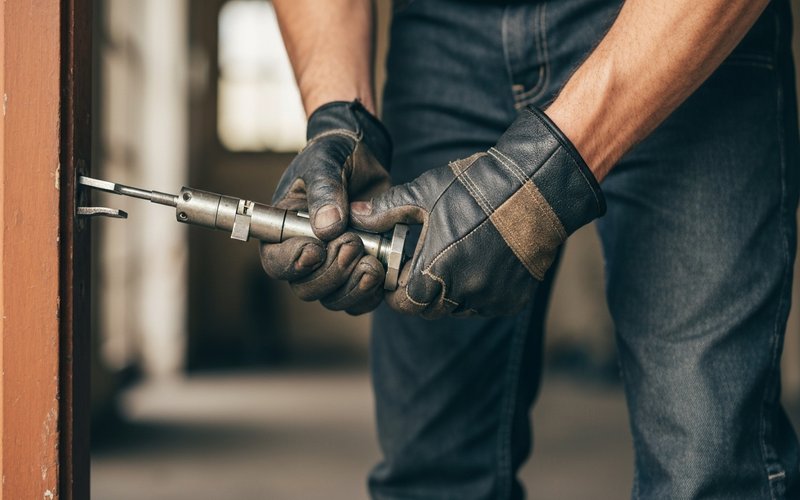
Lockouts occur for various reasons, including misplaced keys, electronic lock malfunctions, children accidentally locking doors from the inside, or simply forgetting keys in another jacket or bag. Car lockouts are equally common, especially with modern vehicles that automatically lock when you step away.
Immediate Solutions
When faced with a lockout situation, stay calm and assess your options. Check all possible entry points—sometimes a window or back door might be unlocked. If you have a trusted neighbor with a spare key, that's your quickest solution. For car lockouts, check if you have roadside assistance coverage through your insurance or credit card.
Professional Lockout Services
The safest and most reliable solution is calling a professional locksmith. Attempting to break in yourself can cause expensive damage to doors, locks, or windows. A qualified locksmith can gain entry without causing damage using specialized tools and techniques. For residents near 60-2 Crestview St in New Rochelle, professional locksmith services can typically arrive within 20-30 minutes to resolve your lockout emergency efficiently.
Broken or Stuck Keys
A key breaking off inside a lock is a nightmare scenario that requires immediate attention. This problem typically results from worn keys, forcing a key to turn, or using the wrong key in a lock.
Signs Your Key May Break
Keys don't usually break without warning. Watch for these signs: visible cracks or bends in the key, difficulty inserting or removing the key, rough edges from wear, or needing to jiggle the key to make it work. If you notice any of these issues, have a duplicate made immediately before the key fails completely.
DIY Extraction Methods
If a key breaks in your lock and part of it is still visible, you might be able to remove it yourself. Use needle-nose pliers to carefully grip the exposed portion and pull straight out—never twist. You can also try using super glue on a thin wire to attach to the broken piece, wait for it to dry, then pull gently. However, these methods only work if there's sufficient key material protruding from the lock.
When to Call a Professional
If the broken key is completely inside the lock or your DIY attempts fail, contact a professional locksmith immediately. Continued attempts to remove it yourself can push the broken piece deeper into the lock mechanism, making professional extraction more difficult and potentially requiring lock replacement. Professional locksmiths have specialized extraction tools designed specifically for this problem and can usually remove broken keys without damaging the lock.
Malfunctioning or Jammed Locks
Locks that stick, jam, or refuse to turn properly are common problems that typically worsen over time if not addressed. These issues can result from several factors including dirt buildup, rust, misalignment, or internal component wear.
Common Causes of Lock Malfunction
Environmental factors play a significant role in lock problems. Dust, dirt, and debris accumulate inside the lock mechanism over time. Moisture exposure can cause rust and corrosion, particularly in exterior locks. Temperature changes cause metal components to expand and contract, potentially affecting lock alignment. Additionally, normal wear and tear from years of use can cause internal pins and springs to weaken or break.
Maintenance and Prevention
Regular maintenance can prevent many lock problems. Clean your locks every few months using compressed air to blow out debris. Apply a small amount of graphite lubricant (never oil-based products, which attract dirt) to keep the mechanism moving smoothly. Check for loose screws on door handles and lock plates, tightening them as needed. For exterior locks, consider weatherproofing measures to protect against moisture.
Repair or Replacement
Sometimes a simple cleaning and lubrication solve the problem, but other times lock replacement is necessary. A professional locksmith can assess whether repair is possible or if replacement is the more cost-effective option. Modern locks offer enhanced security features that might make replacement a worthwhile investment even if repair is possible.
Lost or Stolen Keys
Losing your keys or having them stolen is both inconvenient and a serious security concern. This situation requires immediate action to protect your home or business from potential unauthorized access.
Immediate Steps to Take
If you believe your keys were stolen rather than simply lost, your security has been compromised. For home keys, consider having someone stay at your property until locks can be changed. For business keys, inform relevant personnel and security staff. Check if any identifying information on your keychain could lead someone to your address. File a police report if theft is suspected, especially if other items were stolen simultaneously.
Rekeying vs. Replacement
You have two primary options when keys are lost or stolen: rekeying or complete lock replacement. Rekeying involves changing the internal pins of your existing locks so old keys no longer work, while new keys are created. This option is more affordable and can typically be completed quickly. Complete lock replacement involves installing entirely new locks, which may be necessary if your locks are old, damaged, or you want to upgrade security. A professional locksmith can help you determine which option best suits your situation and budget.
Master Key Systems
For business owners or property managers dealing with multiple locks, a master key system provides convenient security management. This allows different keys to open specific locks while one master key opens all locks in the system. If you lose keys in such a system, a locksmith can rekey the affected locks while maintaining the master key functionality.
Worn or Damaged Locks
All locks have a lifespan, and recognizing when yours need replacement is important for maintaining security. Worn locks are easier to pick and may fail at critical moments.
Signs Your Locks Need Replacement
Several indicators suggest it's time for new locks: visible rust or corrosion on the lock body, loose or wobbly door handles, difficulty locking or unlocking even with the correct key, keys that turn without engaging the lock mechanism, or locks that are more than 10-15 years old. Additionally, if you've experienced a break-in attempt, even if unsuccessful, replacing the affected locks is strongly recommended.
Upgrading Security
Lock replacement presents an opportunity to upgrade your security. Modern locks offer features like pick resistance, drill protection, and bump-proof technology. High-security locks meeting ANSI Grade 1 standards provide superior protection against forced entry. Smart locks offer keyless entry, remote access, and integration with home security systems, providing both convenience and enhanced security.
Choosing the Right Locks
Selecting appropriate locks depends on your specific needs. Deadbolts are essential for exterior doors, with single-cylinder deadbolts for most applications and double-cylinder versions for doors with nearby glass. Knob locks should never be used as primary security but work well as secondary locks. For businesses, consider commercial-grade locks with restricted keyways that prevent unauthorized key duplication.
Electronic and Smart Lock Issues
As technology advances, more homeowners and businesses adopt electronic and smart locks. While these offer convenience and advanced features, they also present unique challenges.
Common Electronic Lock Problems
Electronic locks can experience various issues including dead batteries (the most common problem), programming errors, connectivity problems with smart systems, sensor malfunctions, or electronic component failures. Weather exposure can also affect electronic locks, particularly in extreme temperatures.
Troubleshooting Smart Locks
Many electronic lock problems have simple solutions. Start by replacing batteries—most smart locks provide low battery warnings, so address these promptly. Check your Wi-Fi connection for smart locks requiring connectivity. Verify that you're using the correct access codes and that they haven't expired. Consult the manufacturer's troubleshooting guide for specific error codes or behaviors. Ensure firmware is up to date, as manufacturers regularly release updates to fix bugs and improve performance.
Professional Electronic Lock Services
When troubleshooting doesn't resolve electronic lock issues, professional assistance is necessary. Locksmiths experienced with electronic systems can diagnose complex problems, reprogram locks, repair or replace faulty components, and ensure proper integration with your existing security systems. They can also provide guidance on the best electronic lock options for your specific needs and environment.
Misaligned or Damaged Door Frames
Sometimes lock problems aren't actually caused by the lock itself but by issues with the door or frame. Misalignment prevents locks from engaging properly and compromises security.
Causes of Misalignment
Doors and frames can shift due to foundation settling, which is common in older buildings. Wood doors and frames expand with humidity and contract in dry conditions. Loose hinges allow doors to sag, and impact from forced entry attempts or accidents can knock frames out of alignment. Even normal use over many years can cause gradual shifting.
Identifying Alignment Issues
Signs of misalignment include difficulty closing the door completely, visible gaps between the door and frame, the latch bolt not aligning with the strike plate, needing to lift or push the door to lock it, or scraping sounds when opening or closing. These issues require attention as they compromise both security and energy efficiency.
Solutions for Misalignment
Minor alignment issues might be fixable by tightening loose hinges or adjusting the strike plate position. More significant problems may require shimming hinges, planing the door edge, or repositioning the strike plate. In cases of severe frame damage or settling, professional carpentry work may be necessary alongside locksmith services to ensure proper door function and security.
Security Concerns and Lock Upgrades
Many people don't think about their locks until there's a problem, but proactive security assessment can prevent break-ins and improve peace of mind.
Assessing Your Current Security
Conduct a security audit of your property. Check all entry points including doors, windows, and garage access. Ensure all exterior doors have deadbolts installed. Verify that locks are modern and meet current security standards. Consider whether your property has adequate lighting, as well-lit entry points deter burglars. For businesses, evaluate whether your current locks meet insurance requirements and industry security standards.
When to Upgrade
Certain life events warrant lock upgrades: moving into a new home or business location, ending relationships where others had key access, experiencing neighborhood break-ins, completing home renovations that create new entry points, or installing valuable items requiring enhanced protection. Business ownership changes, employee terminations with key access, and security policy updates also necessitate lock system evaluation.
Comprehensive Security Solutions
Modern security goes beyond traditional locks. Consider layered security approaches including high-security locks with pick and drill resistance, smart locks with access logging and remote control capabilities, security cameras integrated with your lock system, alarm systems that work with access control, and professional security assessments to identify vulnerabilities. A qualified locksmith can design comprehensive security solutions tailored to your specific needs and budget.
Conclusion: Your Trusted Partner for Lock and Key Solutions
Lock and key problems are inevitable, but knowing how to address them makes all the difference. While some issues can be handled with basic maintenance and troubleshooting, many situations require professional expertise to ensure security isn't compromised and damage is minimized. Regular lock maintenance, prompt attention to developing problems, and periodic security assessments can prevent many common locksmith emergencies.
Whether you're facing an immediate lockout emergency, need to rekey your locks after lost keys, want to upgrade to high-security locks, or require any other locksmith service, New Rochelle Locksmith at 60-2 Crestview St, New Rochelle, NY 10801 is here to help. Our experienced team handles residential, commercial, and automotive locksmith needs with professionalism and efficiency. Don't wait for a minor lock problem to become a major security issue or emergency—contact us today for all your locksmith needs and experience the peace of mind that comes with properly functioning, secure locks protecting what matters most to you.